UK Operators Gear Up: Gambling Commission Rolls Out Instant Machine Removal Mandate for 2026
12 Mar 2026
UK Operators Gear Up: Gambling Commission Rolls Out Instant Machine Removal Mandate for 2026

The Core of the New Licence Condition
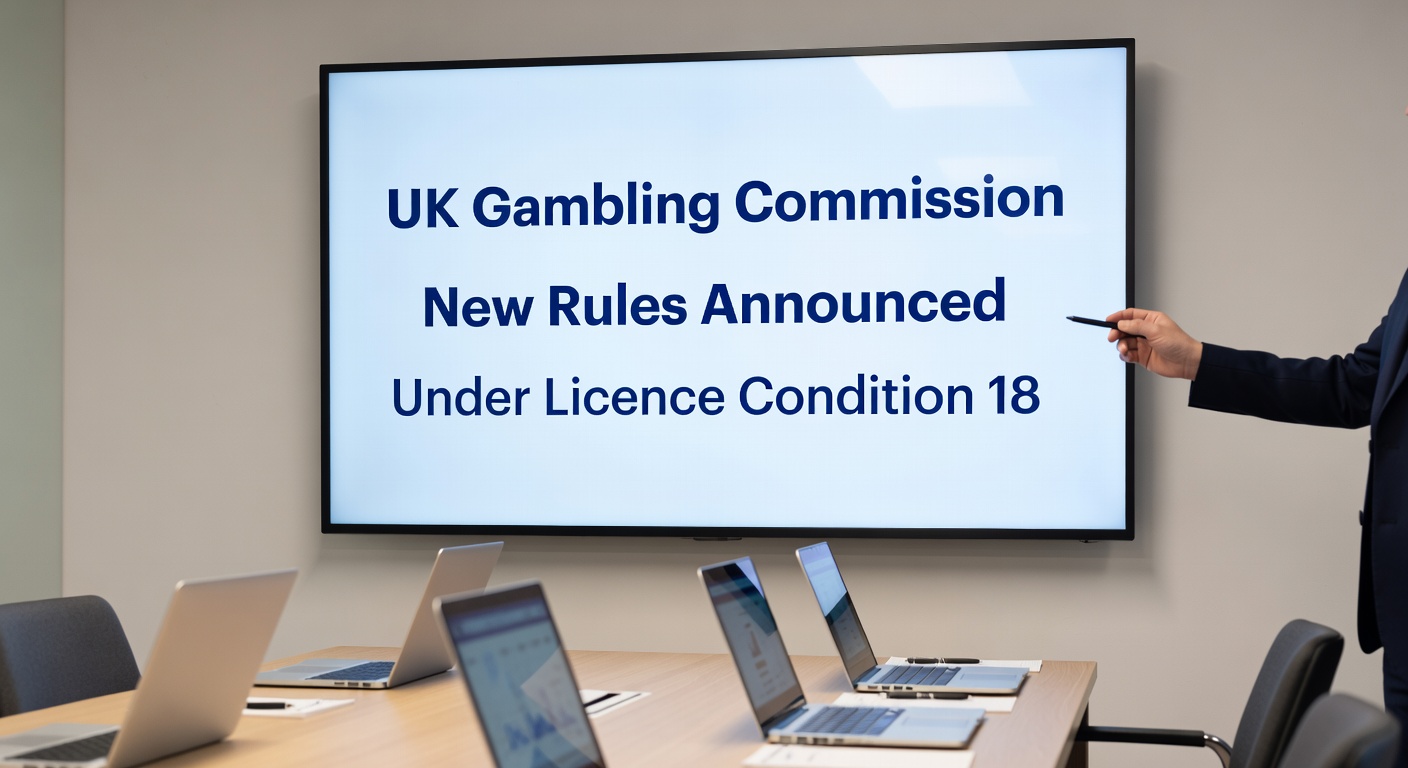
Operators of non-remote gambling venues across the UK, from bustling casinos to local arcades, now face a sharpened regulatory blade under the UK Gambling Commission's updated Licence Condition 18.1.1; this rule demands immediate removal of any non-compliant gaming machines—including slots—right after receiving written notification if those machines fall short on standards related to manufacture, supply, installation, adaptation, maintenance, or repair. What's interesting here is how the Commission, drawing directly from consultation feedback, positions this as a frontline defense for consumers, ensuring faulty or unlicensed equipment doesn't linger on premises to potentially harm players or undermine fair play.
And while the changes don't kick in until 29 July 2026, operators already sense the pressure building, especially as preparatory steps unfold in the months leading up, like those tied to ongoing compliance checks that ramp up by March 2026 when initial audits intensify across key venues. Take one arcade owner in the Midlands who, after reviewing similar past notices, started early inventories; such proactive moves, observers note, could become the norm as the deadline approaches, preventing last-minute scrambles that snag operations.
The reality is these rules target a specific vulnerability: machines that slip through cracks in the supply chain, whether due to shoddy repairs or unapproved mods, and force operators to act swiftly rather than dragging feet through appeals or grace periods that previously softened enforcement. Data from prior Commission reports underscores why; thousands of machines undergo scrutiny yearly, with non-compliance rates hovering around notable percentages that prompt these tighter controls.
Breaking Down What Triggers Removal
Non-compliance spans a broad spectrum under this condition, encompassing everything from flawed manufacturing specs that alter payout odds to improper installations risking player safety, and even maintenance lapses like outdated software patches that expose machines to exploits; operators must yank these upon notification, no ifs or buts, transforming what was once a drawn-out process into an overnight eviction. Here's where it gets interesting: the Commission's response to its January 2025 gaming machine consultation part 1, which gathered operator and supplier input, shaped these exact terms, balancing swift action with clear definitions to avoid gray areas that bog down enforcement.
Experts who've pored over the consultation documents point out how feedback highlighted real-world headaches, such as arcades juggling multiple suppliers where one bad batch contaminates the lot; now, with written notice as the trigger—delivered via post or digital means—venues can't claim ignorance, and removal must happen immediately, meaning floors go dark on those units until fixes or replacements clear the hurdles. But that's not all; while remote operators dodge this bullet, their non-remote counterparts, handling physical slots and games, bear the brunt, prompting fleet-wide checks that cascade through bingo halls, family entertainment centers, and high-roller casinos alike.
One case from recent years illustrates the stakes: a coastal casino faced fines after delayed removal of adapted machines with unverified RNG tweaks, a scenario this rule aims to nuke at the root; people in the industry often find that early detection via self-audits, ramping up by March 2026 as Commission guidance circulates, turns potential pitfalls into smooth compliance wins.
Timeline and Rollout Details
Effective date lands squarely on 29 July 2026, giving operators over a year from announcement to overhaul processes, yet the clock ticks louder with interim milestones; by March 2026, for instance, enhanced training modules and notification protocols roll out, ensuring staff recognize and execute removals without hesitation when notices arrive. Turns out this phased approach, born from consultation responses where stakeholders flagged the need for transition support, includes guidance documents detailing exact steps—from tagging machines to supplier reporting—making compliance less of a guessing game.
Operators often discover that preparation hinges on inventory tech; those who've invested in digital tracking systems, linking serial numbers to compliance histories, position themselves ahead, especially as the Commission ramps up spot inspections leading into summer 2026. And while fines loom for non-adherence—escalating based on repeat offenses—the focus stays on prevention, with the rule weaving into broader Licence Conditions that govern venue integrity.
What's significant is the consumer angle: faulty machines have led to disputes over payouts or safety glitches in the past, and this mandate slashes those risks by prioritizing rapid response over prolonged investigations; researchers tracking gambling incidents note a dip in complaints tied to equipment in jurisdictions with similar swift-removal policies.
Operational Impacts on Casinos and Arcades
Non-remote operators, numbering in the thousands across the UK, confront logistics that ripple through daily ops; casinos with hundreds of slots might need contingency plans for sudden floor gaps, while smaller arcades, reliant on every machine's revenue, scout backups faster than ever, all triggered by that single written notice pinpointing defects in supply chains or repairs. But here's the thing: suppliers too feel the heat, as unapproved adaptations dry up, pushing the market toward certified parts that streamline long-term maintenance.
People who've navigated prior regs, like those tightening stakes and prizes, recall how initial chaos gave way to standardized practices; now, with 2026 looming, trade bodies urge members to audit fleets quarterly, a habit that pays off when March 2026 brings pilot programs testing notification flows in select regions. Observers note that larger chains, with dedicated compliance teams, adapt quickest, often partnering with Commission-approved technicians for on-site verifications that preempt notices altogether.
Yet smaller venues, where margins run thin, grapple with costs—removal logistics, storage, and reinstalls add up—although consultation feedback secured provisions for reasonable timelines on fixes post-removal, softening the blow without diluting urgency. It's noteworthy that this aligns with the Gambling Act's core aim: fair, safe gambling environments where players trust the tech powering their spins.
Broader Industry Ripples and Preparations
As the July 2026 deadline nears, manufacturers pivot to ultra-compliant designs, embedding traceable components that ease audits; one supplier recently unveiled a suite of slots pre-certified under expanded standards, a direct nod to Licence Condition 18.1.1's demands. And while enforcement starts post-effective date, soft launches in training and mock notices build muscle memory, particularly vital by March 2026 when regional workshops kick off for arcade associations.
Those studying regulatory evolution point to this as a maturing ecosystem response, where past scandals—like rigged maintenance schemes exposed in audits—fuel today's proactive stance; data indicates compliant venues report higher player retention, underscoring the business case beyond mere avoidance of penalties. So operators who treat this as a venue upgrade opportunity, integrating removals into routine ops, find themselves not just surviving but thriving amid the shift.
Trade publications buzz with tips: document every machine's history, train floor staff on notice protocols, and liaise with suppliers for rapid swaps—these steps, drawn from consultation insights, form the playbook turning potential disruption into seamless execution.
Conclusion
The UK Gambling Commission's Licence Condition 18.1.1 update marks a pivotal clampdown on non-compliant gaming machines, mandating instant removals from casinos and arcades upon notification to safeguard consumers and uphold standards in manufacture through repair; effective 29 July 2026, with key prep phases hitting stride by March 2026, this rule—refined via thorough consultations—equips operators with clear paths to compliance, minimizing risks while fostering trust in the sector. As venues adapt, the landscape sharpens, ensuring faulty slots exit stage left swiftly, paving the way for safer, more reliable play across the UK.